
- Varietals: SL14 and Bourbon
- Proces: Natural
- Masl: 1445m
- Flavor profile: Cacao nibs and Honey
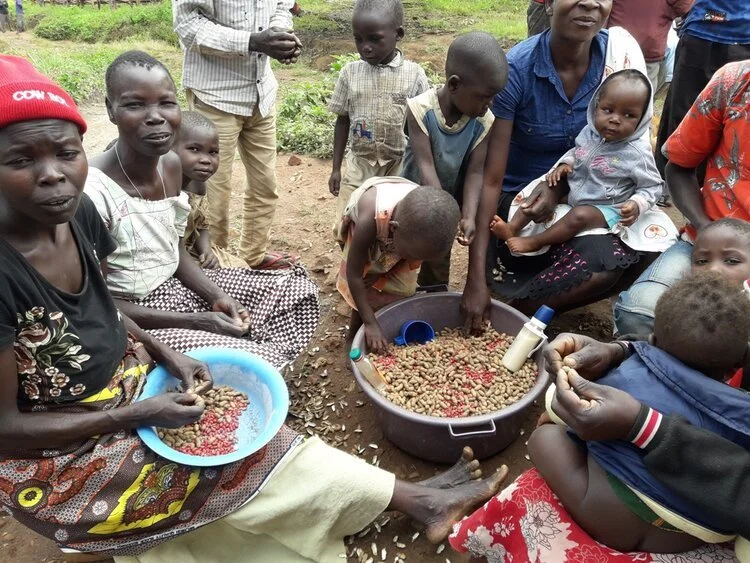
- Coffee farmers: Zombo women’s lot
- SCA Score – 87
- Roast: Medium
Processing: Natural
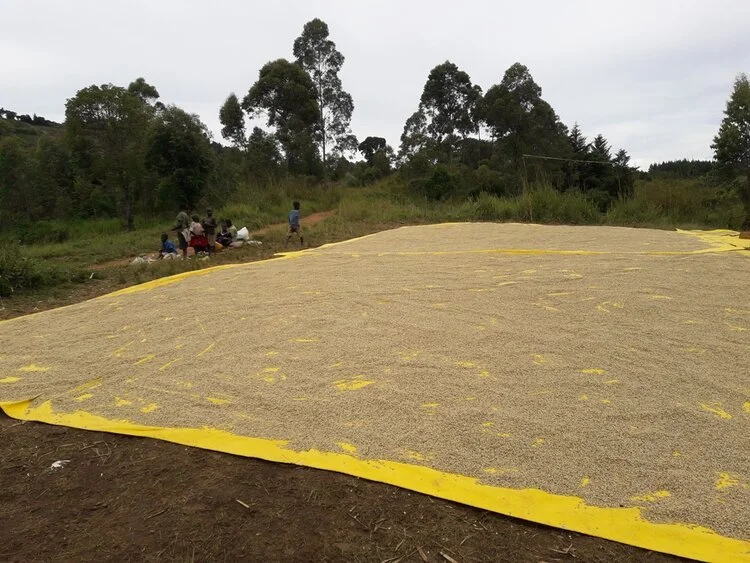
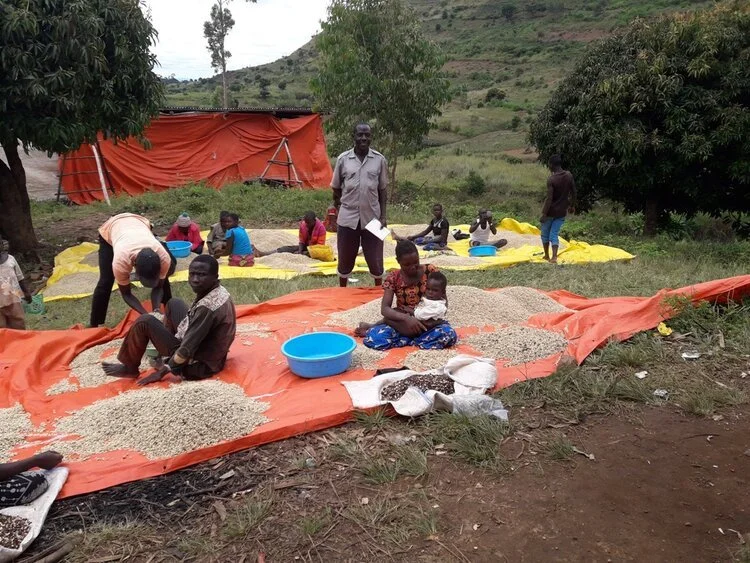
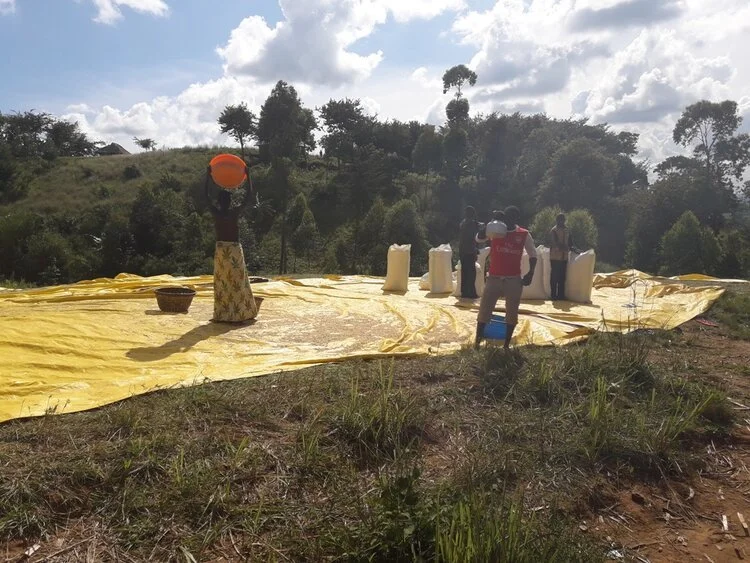
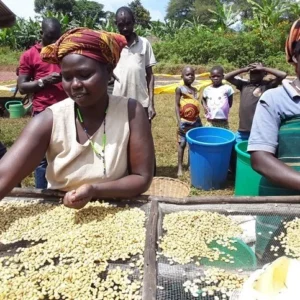
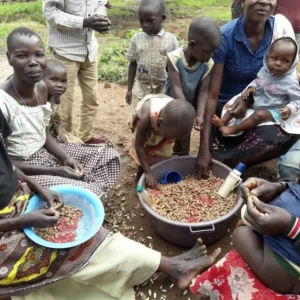
When coffee is harvested and taken to the buying stations of Ndhew, Leda, and Ayanyunga, it is either spread on tarpaulin or a quality table for hand-sorting to remove any underripe or overripe fruit.
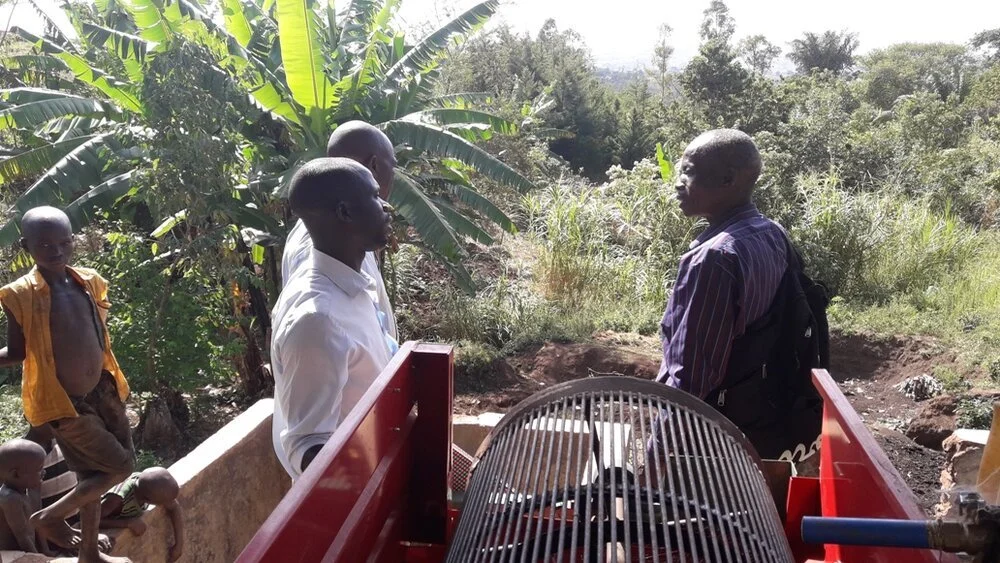
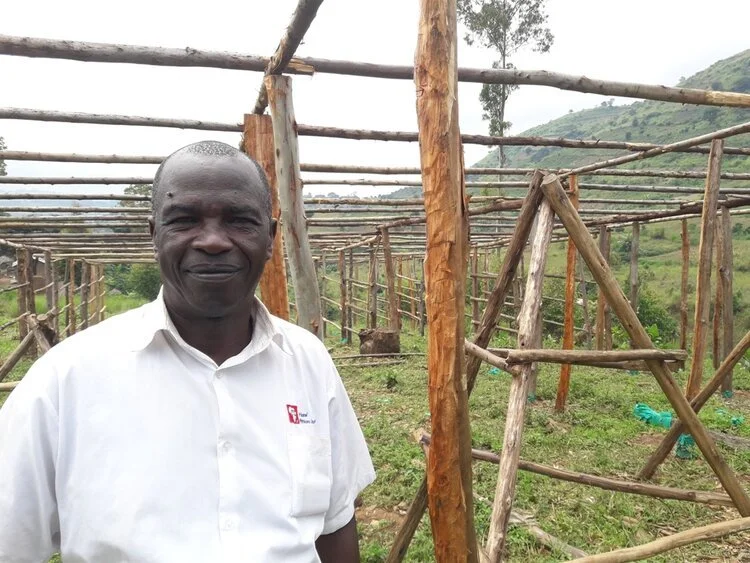
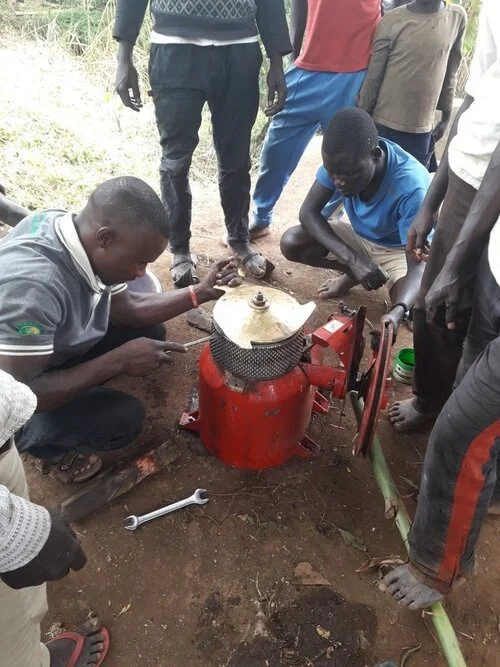
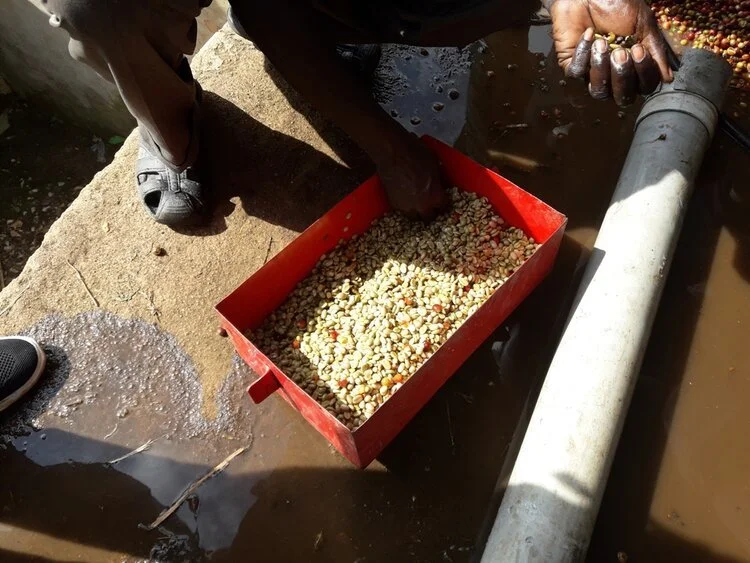
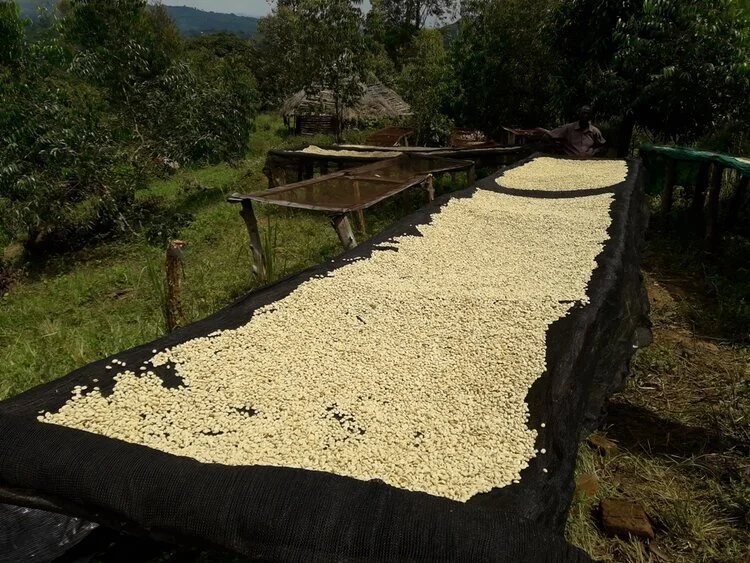
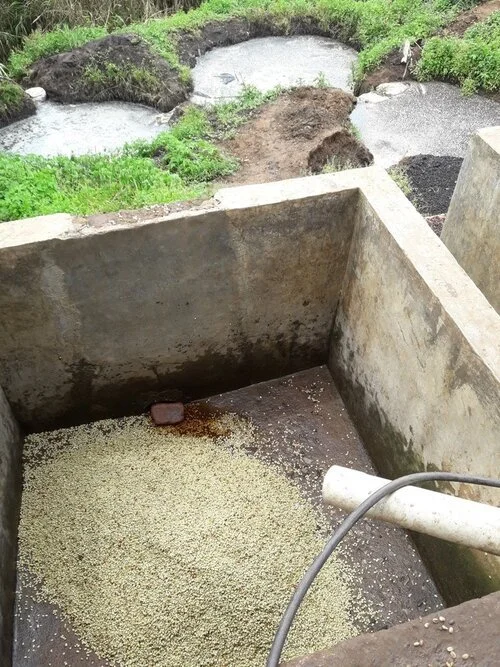
After hand-sorting, it is then taken to the weighing scale, and floating is done immediately to separate the good, red ripe cherries, i.e., those free of disease. Finally, the executives lay out the quality red ripe cherries in the sun on the drying rack/table until they turn from red to brown or nearly black to attain the recommended moisture level. They keep turning the cherries to prevent molding, which can easily affect the flavor if not done thoroughly. The hulling process to remove the thick, dried outer layer is then carried out at the ZCP factory, revealing the green beans.
More information from the coffee importer This Side Up I work with:
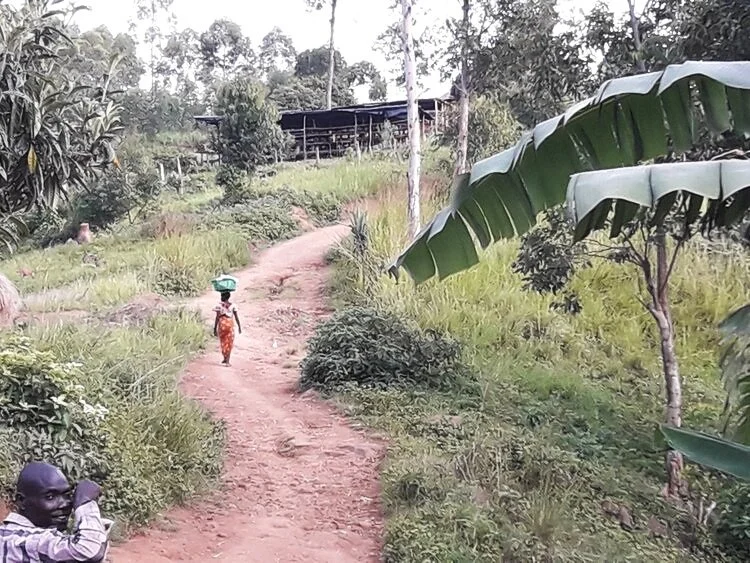
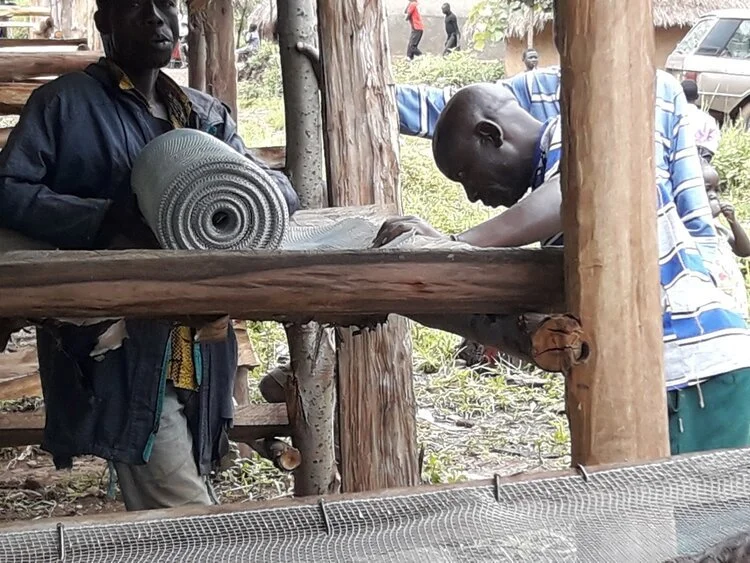
This microstation was built in 2019 with an ambition to unite the coffee farmers within the community. This unity would certainly play to their advantage in quality control and meeting demands. It was expected to foster collective learning as well as capacity building in the community. During the last few years they have faced several challenges including security threats due to lack of fences, lack of financing year around and quality issues due to climate change. Yet, their motivation to stick together comes from their positive experiences with Zombo.
From the perspective of coffee trade and production they have been able to benefit from better prices, access to knowledge, consistent quality. Being together as a group also had other advantages in the last few years. It reduced gender based violence within households, challenged mindsets and offered the inspiration to work together for their individual and communal prosperity. They also continue to rely on coffee (beyond their income) for it’s role in mitigating climate change by creating an ecosystem that is rich in agroforestry.


Reviews
There are no reviews yet.